RESILIENT COASTS FOR SALMON SPOTLIGHT COMMUNITIES
Victoria & Esquimalt Major Harbours and Inlets
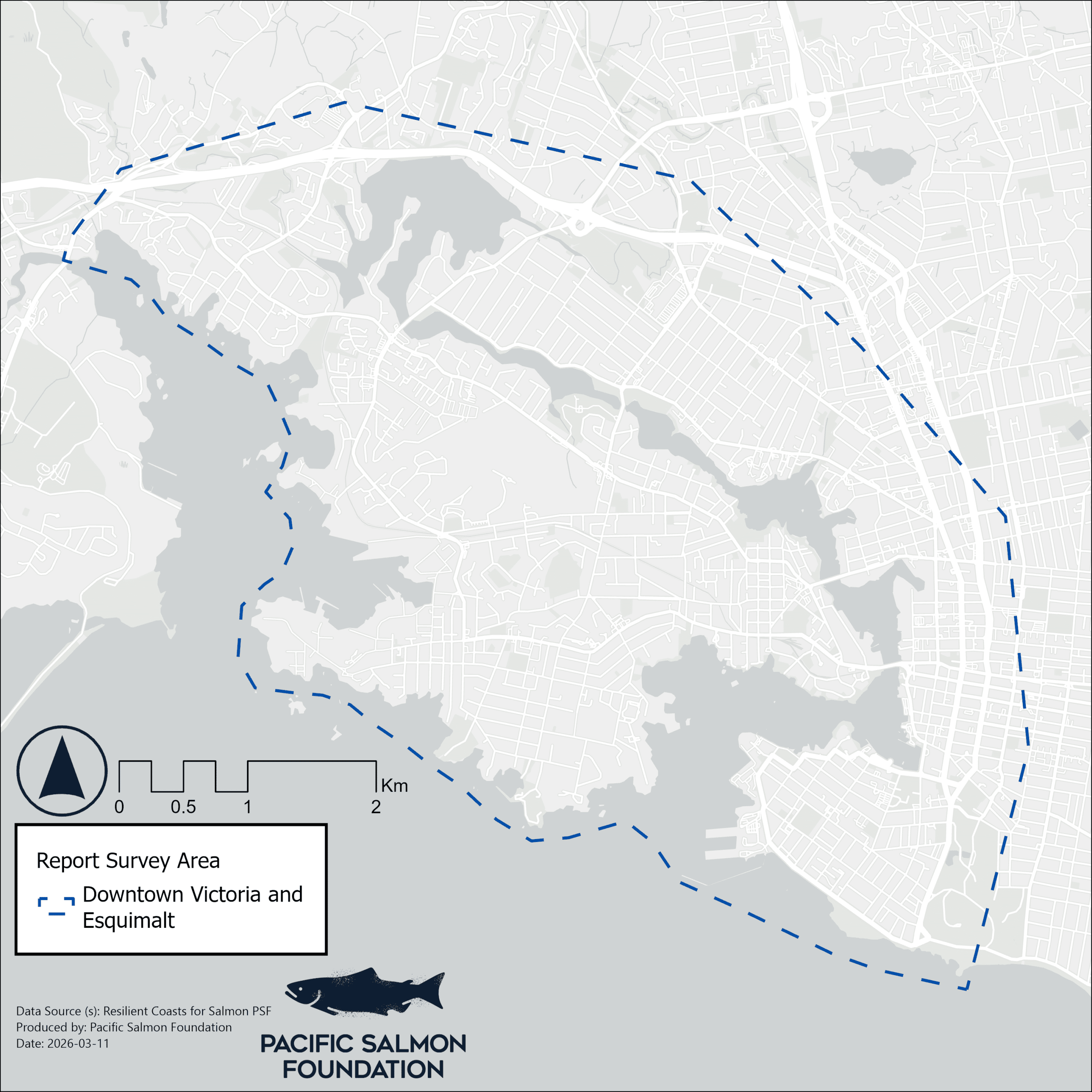
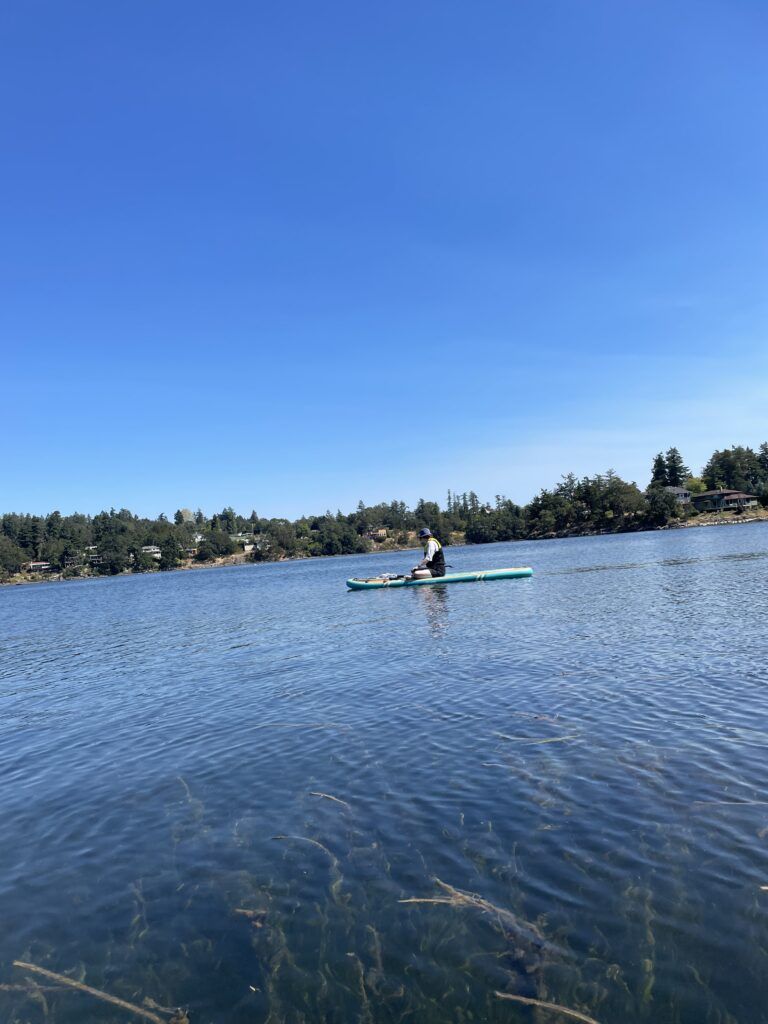
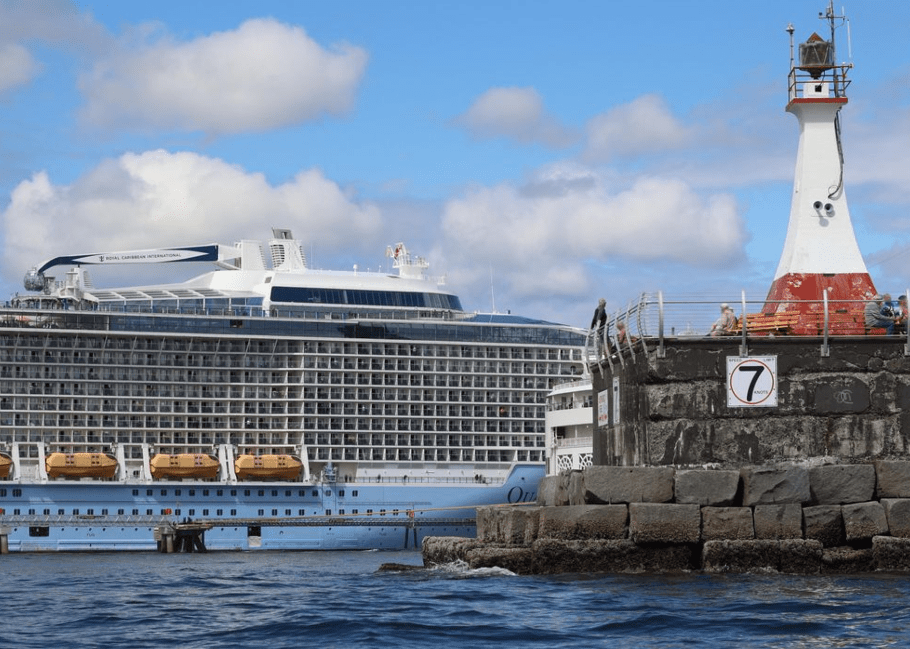
The area covered in this report page includes shorelines within the City of Victoria, the Township of Esquimalt, the Corporation of the District of Saanich, and the Town of View Royal. This area, located on the southern tip of Vancouver Island, is highly urbanized and includes major harbours as well as the Gorge Inlet and Portage Inlet. More than a century of development in Victoria Harbour has transformed virtually all of its shorelines, replacing natural features with seawalls, docks, and other waterfront structures that support the region’s bustling port operations and tourism. Esquimalt Harbour retains only a few patches of natural shoreline, including intertidal mudflats and tidal channels.
For the purposes of the Resilient Coasts for Salmon initiative, the study area on this page covers 54 km of marine shoreline.
This report region lies within the traditional territory of the Lekwungen-speaking, including the xʷsepsəm (Esquimalt) and lək̓ʷəŋən (Songhees) Nations, and the WSÁNEĆ peoples.

Key Findings
Shoreline Modifications
Human-made structures like seawalls and riprap, often built to protect shoreline infrastructure, can actually exacerbate erosion by redirecting wave energy to nearby areas. These modifications also remove key intertidal habitats and food sources essential for the growth and survival of juvenile salmon and forage fish. By stripping away the natural complexity of coastal ecosystems, shoreline modifications reduce their capacity to support biodiversity and adapt to rising sea levels.
Extent of shoreline modification
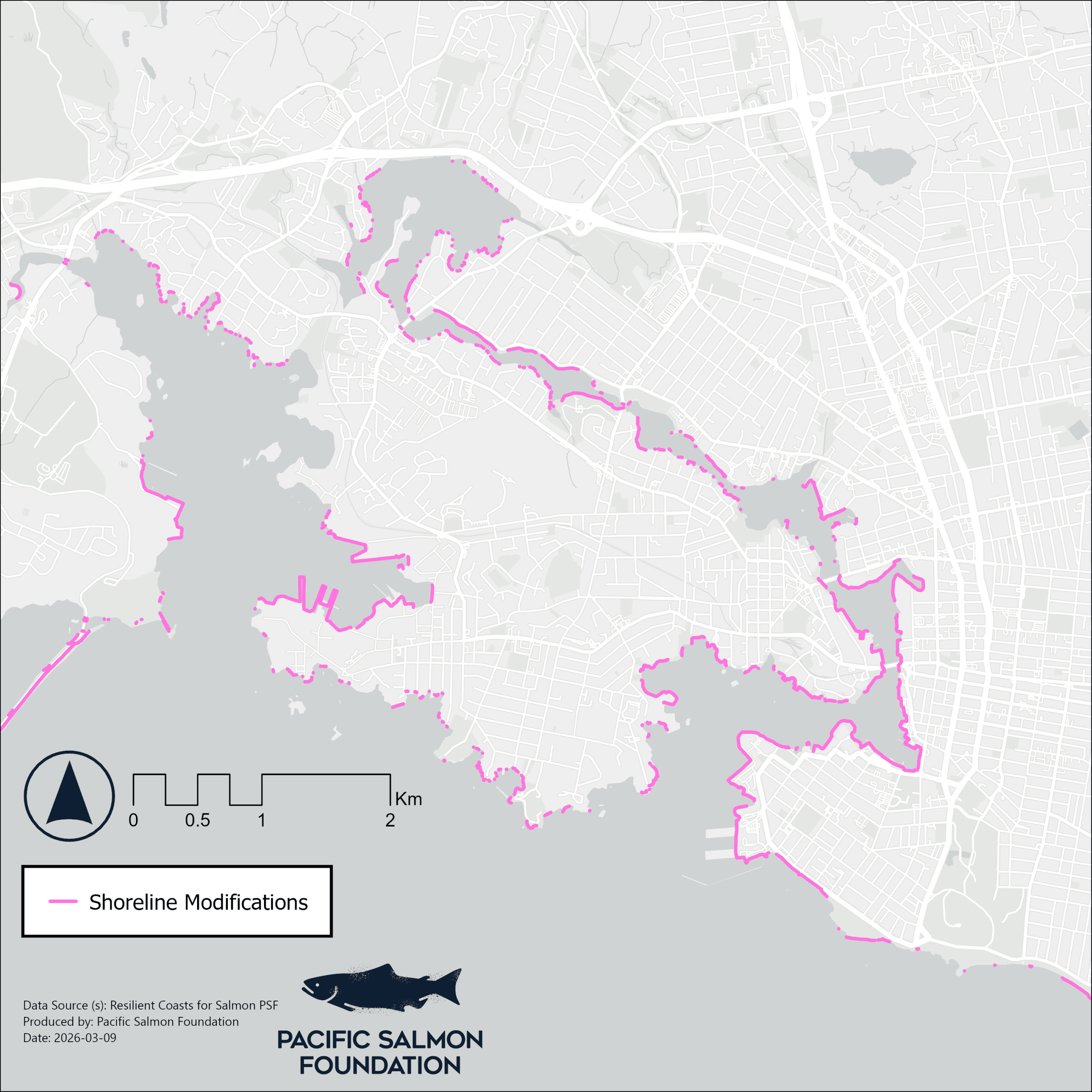
As of 2025, approximately 25.3km of this area’s shoreline has been modified, while 29km remains natural (FN reserves 1935m removed). This indicates that roughly 46.6% of the community’s shoreline is classified as modified – Figure 1.
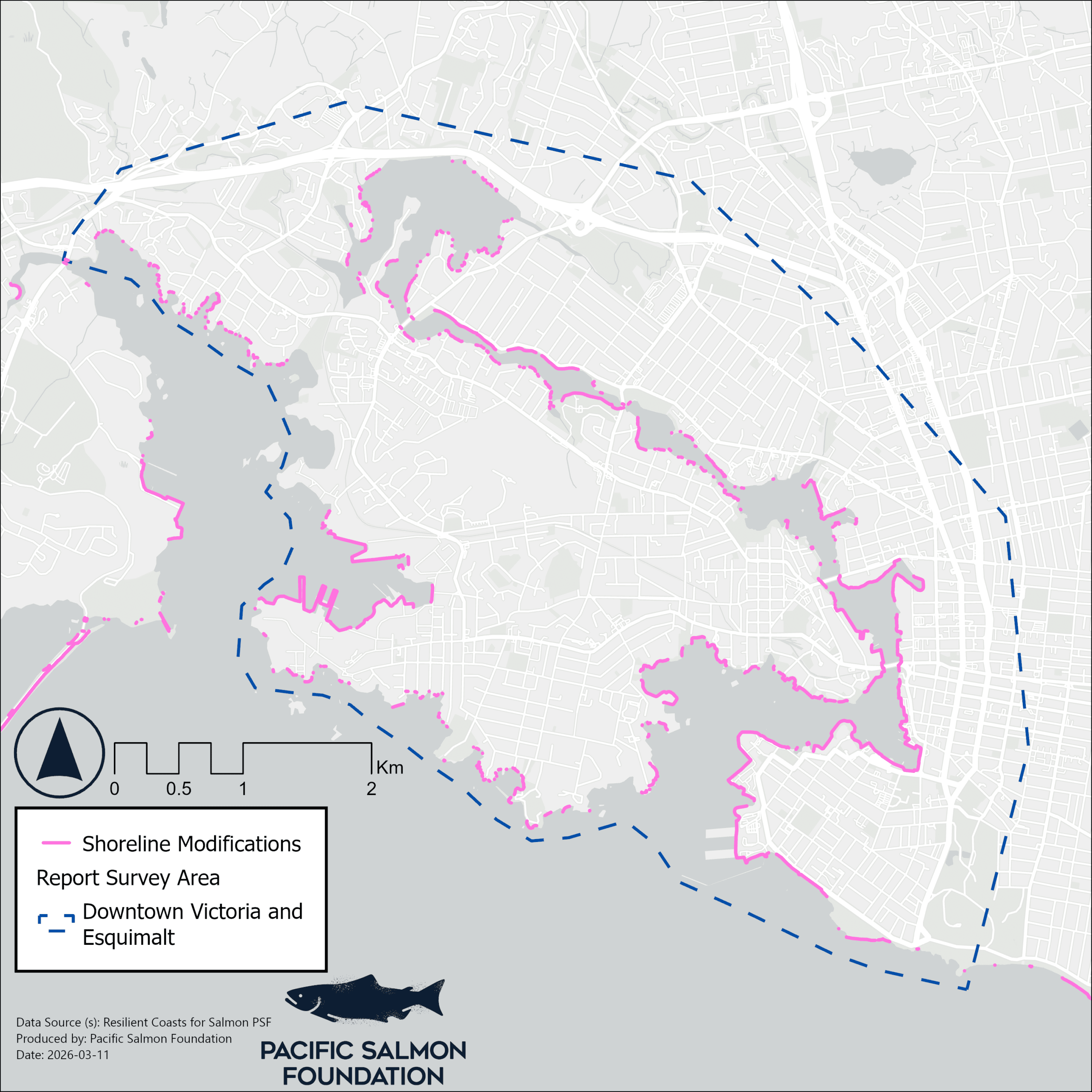
Figure 1. Coastal modifications (shown in pink) with the extent of data collection outlined by blue dashes.
Most common shoreline modification types
The most common modification types were other (45.6%), seawalls/bulkheads (29.2%), and jetty, pier or breakwater (8.9%) – see Figure 2. The ‘other’ category indicates that the feature did not fit in to any modification type. See the comments section for each feature for details about the feature noted by the recorder. For this region, features marked as ‘other’ included vehicle and pedestrian bridge supports, patios, industrial yards, and yards, docks and buildings associated with Canadian Armed Forces.

Figure 2. The percentage of modified shoreline by modification type.
Most common materials used in shoreline modifications
The materials most commonly used for shoreline modification were concrete (46.1%), rock (31.4%), and unknown/undefined (13.5%) – see Table 1. The unknown/undefined category indicates that the recorder was not able to determine the material that was used, due to issues with image clarity or obstruction, or in cases when a mix of materials were used.
Table 1. The percentage of modifications, based on the type of material used in the modifications.
| Material | Percentage of Modifications |
| Concrete | 46.1 |
| Rock | 31.4 |
| Unknown/Undefined | 13.5 |
| Wood/Cresote Wood | 5.8 |
| Metal | 1.8 |
| Masonry | 1.4 |
Overwater Structures
Overwater structures, like docks and piers, cast heavy shade that degrades nearshore habitat. Juvenile salmon avoid these shaded areas, which alters their natural foraging and migration patterns by forcing them into deeper waters. There, they expend more energy and face greater predation risk. The reduced light also limits the growth of essential habitats like eelgrass and algae, along with the diverse communities they support.
Number of overwater structures total and by type
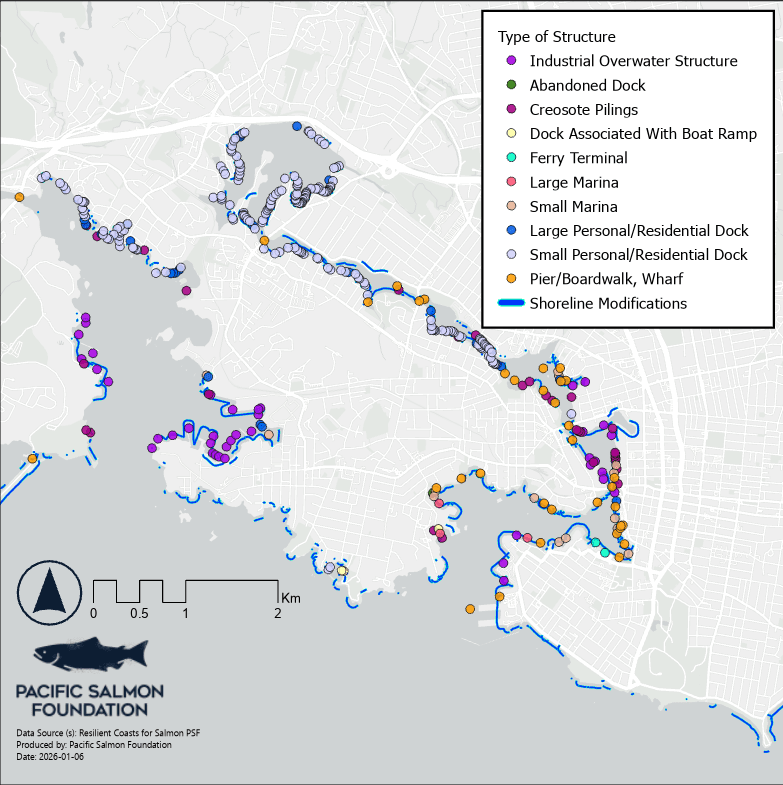
As of 2025, the total number of overwater structures in the report area is 339, consisting primarily of docks (223; including 219 residential docks, 3 docks associated with public boat ramps and 1 abandoned dock), industrial overwater structures (37), and piers/boardwalks and wharfs (34) – see Figure 3. There are 14 small marinas, and 3 large marinas, which often include creosote pilings. These results discussed here are for the area outlined in blue in Figure 1, although features outside of these boundaries area visible in the map below.
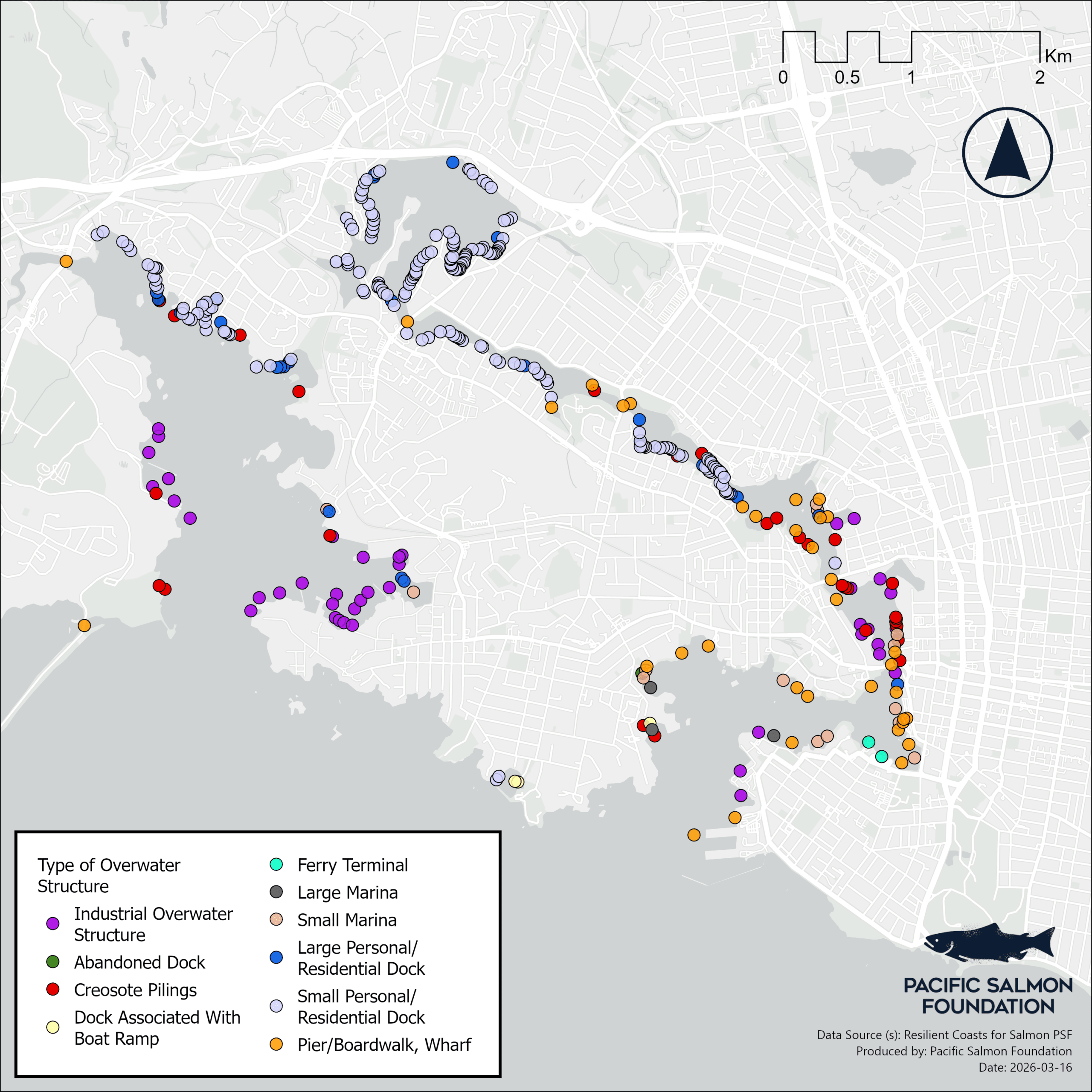
Figure 3. The extent of overwater structures within Downtown Victoria and Esquimalt.
Log Accumulation
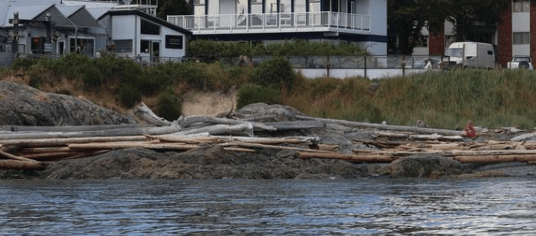
While logs are a natural part of coastal ecosystems, the escape of modified logs from log booms is leading to excessive accumulation. These logs can scour beaches, altering sediment composition and smothering nearshore vegetation. Unlike natural logs, modified logs are stripped of root balls and branches, making them unstable and prone to rolling across critical habitats that juvenile salmon and forage fish rely on for growth, food, and shelter.
For the results below, about 58.9% (33.1km) of the shoreline was not digitized for log accumulation either due to lack of shoreline imagery or it being First Nation reserve land.
Extent of log accumulation
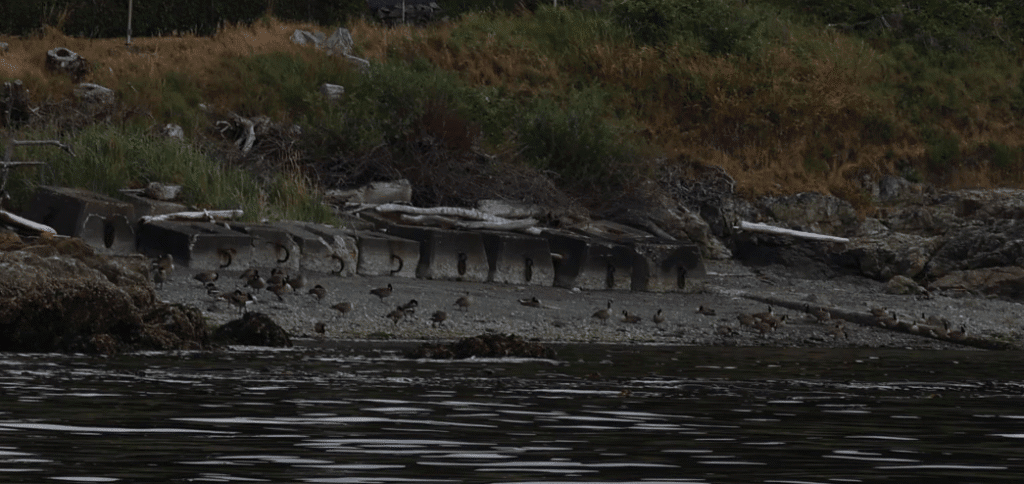
Overall, the accumulation of logs on the shorelines of this region was minimal. Of the total shoreline, 0.8% (455 m) was found to have an extreme (>89%) accumulation of logs, with another 1.9% (1,020 m) with high accumulations (50 to 89% coverage), and 2.1% (1,156 m) having moderate levels (20% to 49%) of the beach covered by logs – see Figure 4, Table 2. It should be noted that the moderate log accumulation category also represents a significant coverage of logs – whereby 20-49% log coverage on a given beach could negatively impact shoreline habitat. Qualitatively, one reason for this lower presence of logs in this region could be the relatively high proportion of modified shorelines. Where the shorelines are armoured with hard vertical surfaces, there is virtually no shorelines for the logs for accumulate upon. These results discussed here are for the area outlined in blue in Figure 1, although features outside of these boundaries area visible in the map below.
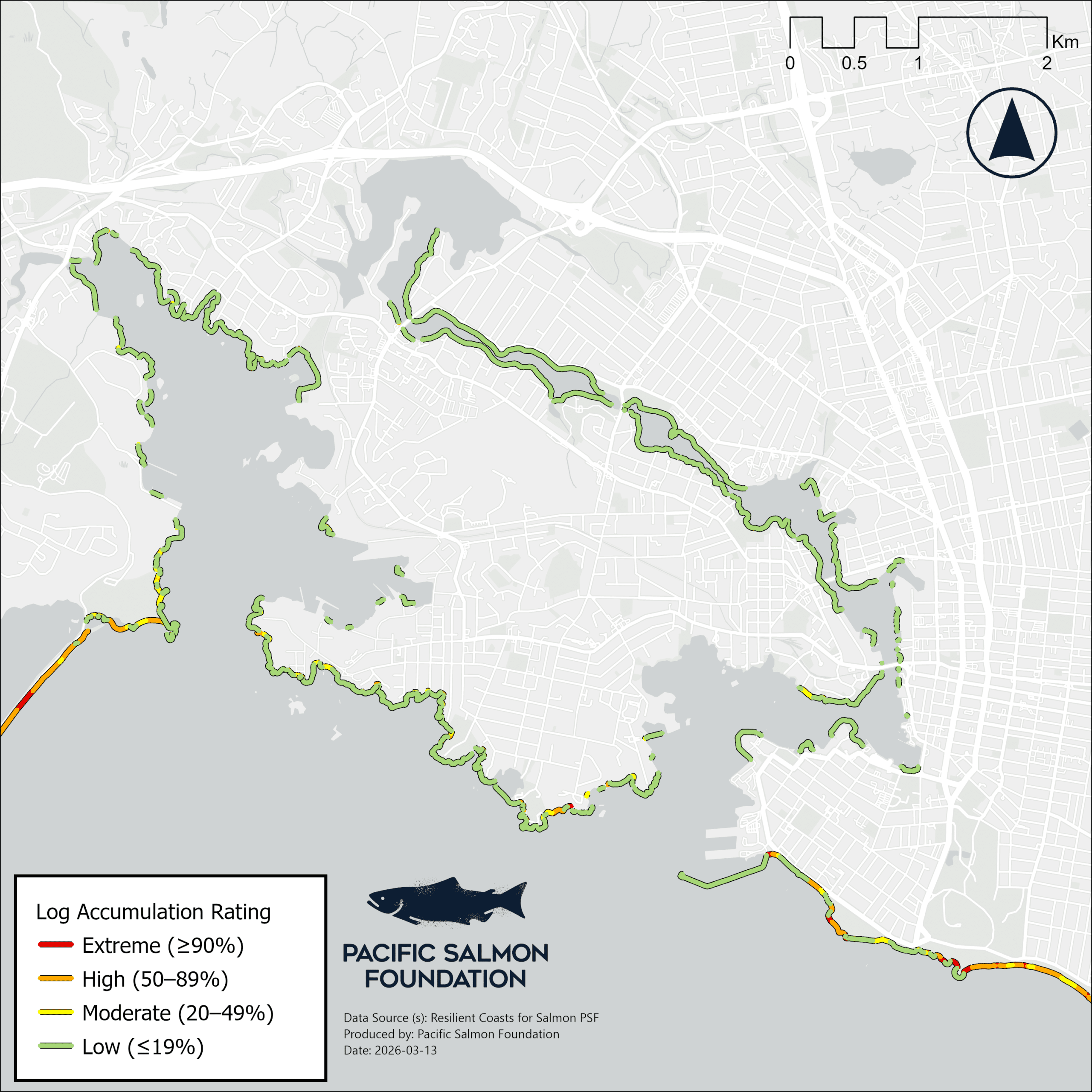
Figure 4. Log accumulation on the beaches of from Esquimalt Lagoon to Dallas Road Beach.
Table 2. The length of shoreline (in percentage and metres) by category of log accumulation.
| Log Accumulation | Percentage of Shoreline | Metres |
| Extreme (>89%) | 0.8 | 455 |
| High (50 to 89%) | 1.8 | 1,020 |
| Moderate (20 to 49%) | 2.1 | 1,156 |
| Low/None (<20%) | 36.4 | 20,489 |
| Unknown | 58.9 | 33,110 |
Mobility of Logs
The mobility of logs on the shoreline is unknown for 58.9% of the shoreline. Where mobility was determined, it was found that 36.2% of the shoreline had only mobile logs present, while an additional 4.6% of the shoreline had both mobile and anchored logs present.
Click the sections below to explore details about the intended use of the data, how the data were analyzed, as well as some limitations and considerations in using the data. For additional information on the methodologies undertaken to produce these results, please review the digitization protocol or contact .
The Resilient Coasts for Salmon team developed protocols, collected and digitized data on coastal modifications for much of the east coast of Vancouver Island. This was prompted by community groups and researchers expressing the need for facilitating informed decision-making for adapting to coastal climate change with nature in mind, to highlight vulnerable areas to explore further with coastal geomorphologists and encourage communities to opt for precautionary approaches to shoreline management that can continue to support communities and natural systems. Digitization protocols were developed for 1. modifications present on the shoreline (hard armouring like seawalls), 2. overwater structures and pilings (e.g., docks), and 3. log accumulation, yielding three corresponding datasets.
The reporting and results are intended for educational purposes only, to share basic information and context regarding shoreline modifications and how they overlap with basic climate models and other ecological data. While it may highlight areas of concern, it is not a comprehensive assessment or risk inventory. The content should not be used for detailed analysis or decision-making without formal, in-depth assessments from qualified environmental professionals including coastal geomorphologists, who can provide expert guidance tailored at local scales.
To calculate reporting metrics utilized within both the Spotlight Community pages (i.e. Campbell River, Colwood, Comox Valley, Cordova Bay, Nanaimo, Port McNeill, North Saanich and Downtown Victoria and Esquimalt), Feature Manipulation Engine (FME) software was employed. Numerous FME workflows were developed. It should be noted that none of these workflows provide a level of precision that should be used for activities requiring real world alignment, such as engineering.
Additional Quality Assurance/Quality Control (QA/QC) was performed on the Resilient Coasts for Salmon data layers (i.e. coastal modification features, log accumulation and overwater structures) in QGIS to ensure accuracy of results. The QA/QC consisted of using QGIS vector geometry and vector analysis tools to summarize the Resilient Coasts data layers within community polygons.
This section highlights factors to keep in mind when interpreting the results produced by the Resilient Coasts for Salmon project.
General
- The length of a line feature, for shoreline modifications, does not correspond to the level of impact it may have on natural coastal processes.
- It is likely that a greater number of coastal modifications exist than what was digitized due to several reasons including:
- many elements in the landscape can obscure views, including dense vegetation;
- aerial imagery was less clear in some regions – digitization in some regions relied heavily on aerial imagery as its source;
- many features were observed that will imminently interact with natural coastal processes as sea levels rise but are not included in the dataset as they do not currently interact with coastal processes;
- the imagery sources used to digitize features vary, including the dates they were captured (dates are included for each feature within each dataset).
- The exact measurement and location of features that were digitized reflect the best of the recorders visual estimations and are not precise due to the complexity of using imagery to visualize real-world positions- the accuracy may vary by up to 3 metres for all data.
- All wall structures, whether built as shore protection or to delineate property lines or deter trespassers, are included as shoreline modifications when they meet the protocol criteria (i.e., if they could interact with natural coastal processes). All walls are classified under the attribute “seawalls/bulkheads,” although the intention behind building them may differ.
Data Gaps
- Gaps exist in all three datasets where boat-based or aerial imagery was not available, image quality was poor, the area was excluded for privacy reasons, or for other reasons.
- For this project, recorders made notes in the ‘comments’ section of the data when they were aware of restored segments of shoreline. However, this was not always apparent to the recorders, making it difficult to differentiate, for example, when riprap was used as part of a hybrid design or not.
- Imagery was not collected between the north edge of Campbell River and Port McNeill due to ocean conditions.
Estuary Protocols
- Most of the large estuaries were omitted from the quantitative analyses, as some estuaries required a distinct protocol that produced qualitative data. This is noted in the community reports when this occurred, and details can be found in the Mapping Coastal Modifications Digitization Protocol.
Shoreline Length Values
To report on the level of modified shoreline in a specific region, the Freshwater Atlas Coastlines (FAC) line was used as a proxy for total shoreline length. While the FAC provides a line from which analyses can be run, it is imperfect, and often resulted in overestimations of total shoreline length, producing discrepancies toward more conservative estimates. Some ways this occurs include:
- The polygons around each community analysed were created intentionally so that major nearby islets and islands not connected to Vancouver Island by road or bridge were excluded from the total shoreline length (FAC) to increase accuracy of analyses.
- The FAC line diverges from the locations of digitized features, which skews some results, often producing a higher total length of shoreline (Figure 1).
- Shorelines on First Nation reserve lands were not digitized out of respect for privacy, so those shorelines were excluded from the analyses. In some cases, the Federal Government reserve land boundaries were slightly waterward of the FAC (Figure 2).


Conservative Values due to Timing of Mapping
Because the imagery was captured during the summer months when storms are less frequent, there is a high likelihood that the log accumulation data layer represents a lower threshold of accumulation than what a specific area may hold during winter months.
Limited Shoreline Type Options
There are segments of shoreline that have been modified by restoration using a “hybrid” approach (i.e., using both “hard” and “soft” elements in their design). However, these features are not separated from “hard” shoreline protection in this protocol. Recorders made notes in the Comments section when they were aware of such projects; however not all are known, nor would all hybrid restoration projects be visibly obvious. For example, riprap can be a part of a hybrid approach to shoreline protection but is considered a coastal modification feature in this protocol.
Additional Imagery Capture
For estuaries and certain bays where access was difficult by a larger vessel, shoreline imagery was collected by alternative means. This includes imagery capture my tender (small vessel), drone, or on foot. In most cases for estuaries, shoreline imagery capture was not possible, so digitization was completed through available aerial imagery.
Accessing the Data
The raw Resilient Coasts for Salmon data (i.e. coastal modification features, overwater structures and log accumulation) are available for download for this community, and others, as well as the entire east coast of Vancouver island. Visit the Resilient Coasts for Salmon page within the Marine Data Portal.
How to Cite the Data
Pacific Salmon Foundation. (2026). Resilient Coasts for Salmon (Data set). Marine Science Program, Pacific Salmon Foundation. Retrieved [INSERT DATE], from https://doi.org/10.48689/bfa98639-8db5-4c4d-be0e-989701bb49df
Tell Us!
Our intentions in making these data publicly available is that they are used at the community level to inform decision making. Please reach out to let us know how you have used the data. Get in touch at , or fill out our feedback form for the interactive map.
The Resilient Coasts for Salmon team strongly recommends that any future data collection/digitization begin with formal processes for securing permission from each First Nation on whose territory you hope to work in, as noted in their specific engagement protocols.
We did not digitize shoreline modification features within reserve lands out of respect for privacy. We recognize that reserve lands are a product of colonialism and do not accurately reflect First Nations’ traditional territories. The territories of First Nations encompass lands, waters, and everything in between, that extend beyond colonially set boundaries. In our efforts to honour First Nations’ data sovereignty, we made concerted efforts to avoid digitizing imagery that could consist of any culturally sensitive and significant features. However, we acknowledge our very limited understanding of the full extent of these considerations. Further, we recognize the sensitivity of publicly available data and imagery and have reached out to First Nations within the project scope to identify areas to exclude from both imagery and digitized data. Please contact to have data and imagery removed from public access at any time going forward. If capacity is limited, please let us know so we can provide support.
We strongly advise that all initiatives stemming from the results presented be guided and prioritized by local Indigenous governments and Nation members from inception, with financial compensation for their time as noted in each Nation’s protocols for engagement.
Additional Maps
Click the thumbnails below to open the additional static maps in full page view. Explore the interactive map on the Resilient Coasts for Salmon Atlas home page to view these datasets and others at various scales. You can also visit the Marine Data Portal catalogue to explore data like these and many others that are available to download.